Multipurpose vs. Framework Themes (Astra, GeneratePress, Kadence): What Works Best in 2026?
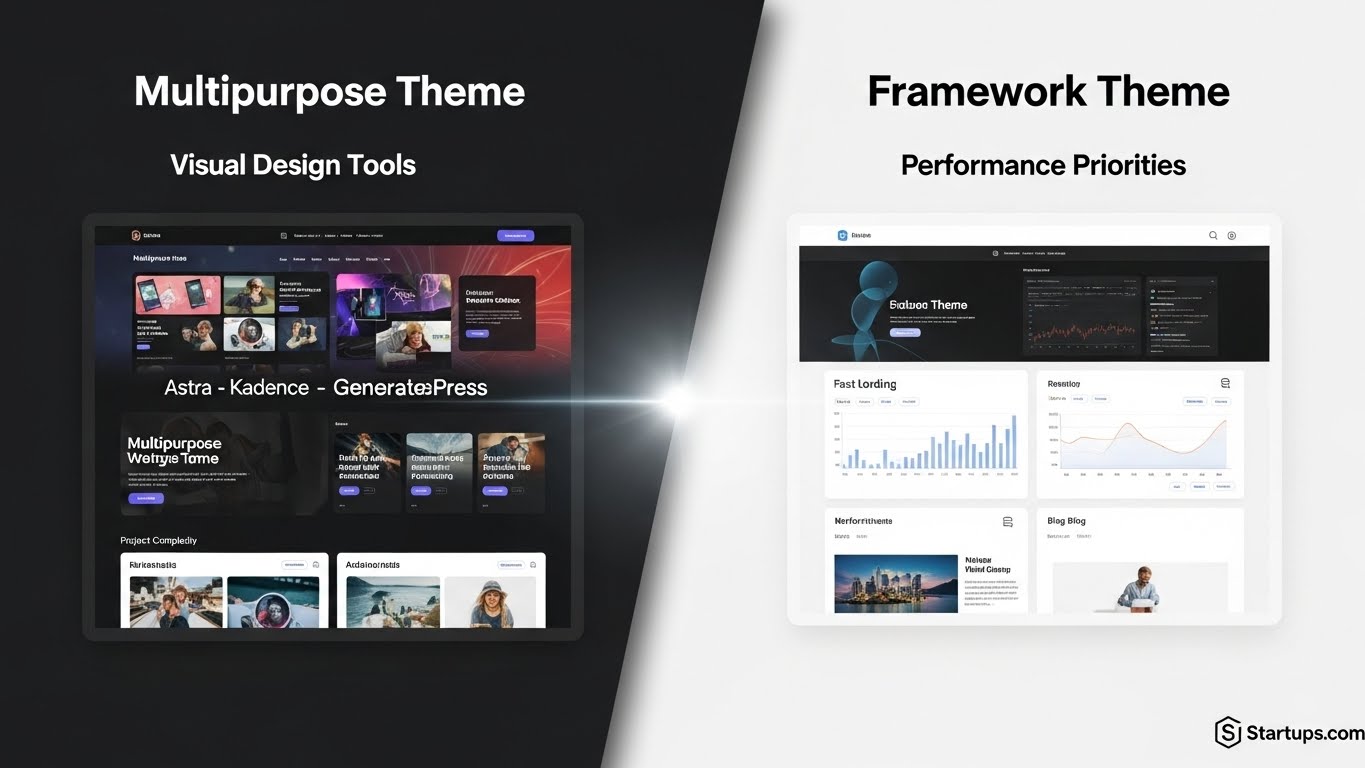
When browsing for themes, you will generally encounter two distinct philosophies: the Traditional Multipurpose Theme (like Avada, The7, or Flatsome) and the Modern Framework Theme (like Astra, GeneratePress, or Kadence).
In the early days of WooCommerce, Multipurpose themes ruled the market because they offered an “all-in-one” solution. However, as we look toward 2026, the landscape has shifted dramatically. Google’s Core Web Vitals (specifically INP and LCP) now punish code bloat, and mobile devices—which have weaker processors than desktops—now account for the majority of traffic.
Here is the technical breakdown of why the industry has shifted, and which architecture is right for your store.
1. The “Old Guard”: Traditional Multipurpose Themes
Examples: Flatsome, Avada, Betheme, The7.
These themes are sold on the premise that you get “everything included” for $60. They come bundled with slider plugins, proprietary page builders, portfolio managers, and thousands of settings.
The Problem in 2026:
- Monolithic Architecture: These themes often load a single, massive CSS file (
style.css) that contains code for every possible feature, whether you use it or not. If you aren’t using their “Testimonial Carousel,” your user is still downloading the code for it. - Vendor Lock-in (The “Shortcode Hell”): Multipurpose themes often use proprietary page builders. If you build your product descriptions using their builder and later decide to switch themes to improve speed, your content will break, leaving behind a mess of naked shortcodes (e.g.,
[ux_banner height="500px"]). - jQuery Dependency: Many legacy multipurpose themes are still heavily reliant on jQuery for their interactive elements. In 2026, this is a major bottleneck for the INP (Interaction to Next Paint) metric, as jQuery adds overhead to the browser’s main thread.
Verdict: Avoid for new builds. While powerful, the “technical debt” they create makes them difficult to optimize for modern speed standards.
2. The “New Standard”: Framework Themes
Examples: GeneratePress, Kadence, Astra, Blocksy.
These are technically “Hybrid” themes. They start as a lightweight skeleton (often under 50KB). You then add “muscle” only where you need it via the WordPress Block Editor (Gutenberg) or modular addons.
The Advantage in 2026:
- Modular Asset Loading: This is the game-changer. If you use a “Gallery Block” on a page, the theme loads the gallery CSS/JS. If you don’t use it on the next page, that code does not load. This keeps the DOM size small and LCP scores high.
- Future-Proofing with Blocks: These themes lean heavily into the native WordPress Block Editor. This means your content is standard HTML, not proprietary shortcodes. You can switch from Astra to Kadence in 2026 without your content breaking.
- Vanilla JavaScript: The “Big Three” (Astra, GP, Kadence) have largely abandoned jQuery in favor of Vanilla JS, resulting in near-instant interaction times on mobile devices.
The “Big Three” Framework Comparison
If you decide to go with a Framework theme (which you should), here is how the top contenders stack up for a WooCommerce build.
| Feature | GeneratePress | Kadence WP | Astra |
|---|---|---|---|
| Philosophy | Performance absolute. Zero bloat. | Modern design & features meets speed. | massive ecosystem & ease of use. |
| WooCommerce Features | Minimalist. Great for developers who want to customize via code/hooks. | Rich. Built-in “Shop Kit” features (swatches, catalog mode) are excellent. | Extensive. Huge library of pre-built starter sites for retail. |
| Customizer Experience | Clean, but can feel sparse to beginners. | Best in class. The Header/Footer builder is intuitive. | Very good, though the upsells can be intrusive. |
| Best For… | Developers & Speed Freaks who want 100/100 scores. | DIY Store Owners who want professional design features without code. | Agencies building many client sites quickly. |
1. GeneratePress (The Developer’s Choice)
GeneratePress remains the gold standard for clean code. Its lead developer (Tom Usborne) is notoriously strict about not adding features that slow down the site.
- Why choose it: If you are comfortable using CSS to tweak styling and want the absolute fastest foundation possible.
- The Trade-off: Out of the box, it looks very plain. You have to build the “look.”
2. Kadence WP (The E-commerce Sweet Spot)
Kadence is currently the strongest contender for WooCommerce stores in 2026. It bridges the gap between the ease of a multipurpose theme and the speed of a framework.
- Why choose it: Its “Kadence Blocks” plugin allows you to build complex product layouts that are lightweight. It includes features natively (like Variation Swatches) that you would usually need a slow 3rd-party plugin for.
- The Trade-off: slightly heavier than GeneratePress, but negligible for most users.
3. Astra (The Ecosystem King)
Astra was the first to popularize the fast theme movement. It has the largest library of “Starter Templates” that you can import with one click.
- Why choose it: If you want a site that looks “finished” immediately upon install. It integrates flawlessly with Elementor if you refuse to use the Block Editor.
- The Trade-off: Over time, Astra has added a lot of features. You must be diligent about going into the settings and turning off modules you aren’t using to keep it fast.
Final Verdict for 2026
If you are building a serious WooCommerce store with the intent of passing Core Web Vitals and ranking on Google:
Choose a Framework Theme.
The flexibility of the “Old Guard” Multipurpose themes is no longer worth the performance penalty. The web in 2026 demands modularity.